
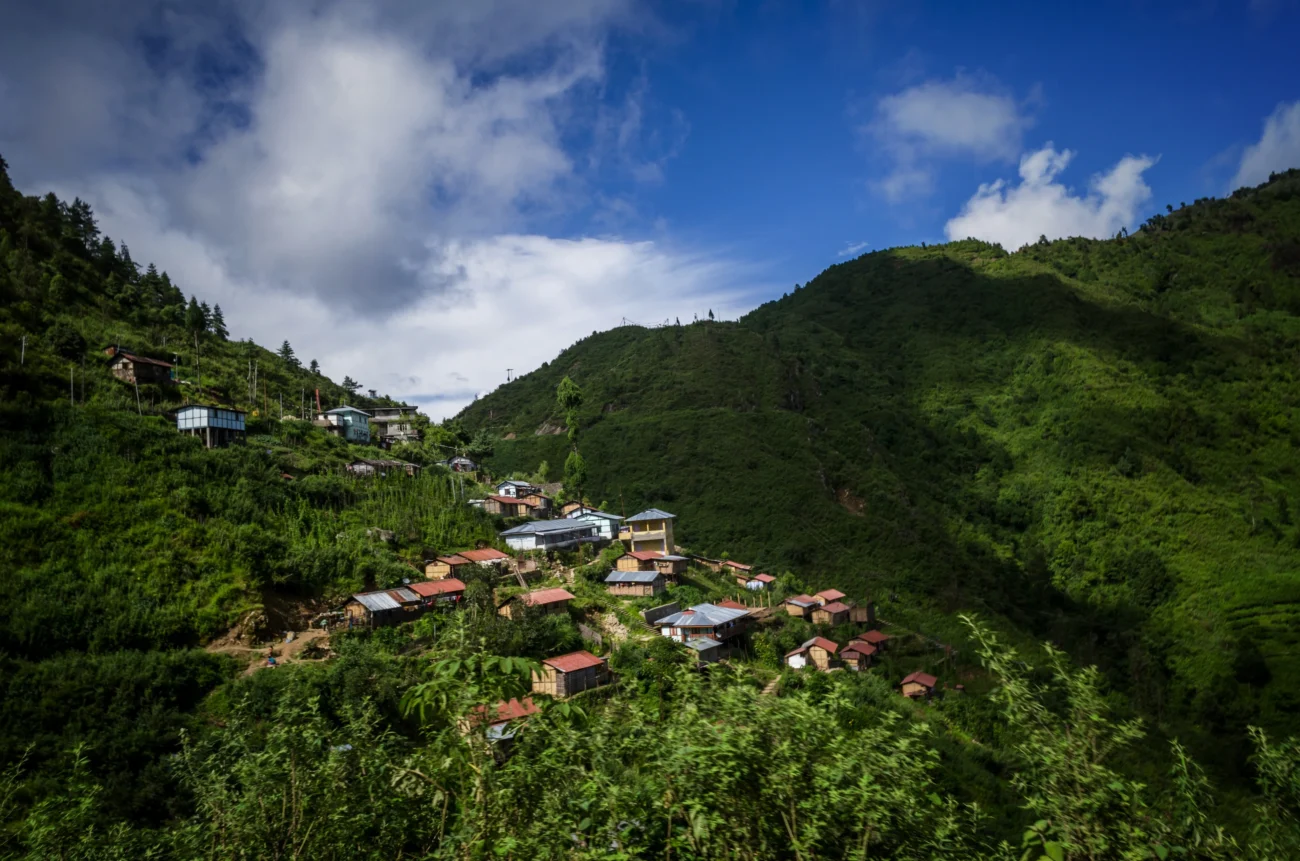
When you think of Northeast India, the first images that come to mind are misty mountains, emerald valleys, roaring waterfalls, and vibrant local communities living in harmony with nature. But what truly makes the region extraordinary is its cultural diversity and the festivals that celebrate it. Every tribe, every community, and every state in Northeast India has its own unique way of expressing joy, gratitude, and unity through festivals. Whether it’s the world-famous Hornbill Festival in Nagaland, the grandeur of Assam’s Bihu, or the spiritual celebrations of Arunachal’s Losar, festivals in Northeast India are a true cultural extravaganza waiting to be experienced.
For travelers who want to go beyond sightseeing and truly immerse themselves in local traditions, exploring the festivals of the Northeast is one of the most rewarding journeys you can take. These festivals showcase dance, music, handicrafts, food, spirituality, and ancient traditions—all wrapped in unforgettable hospitality that the Northeast is known for.
In this article, let’s dive into the most important festivals of Northeast India, their significance, how they are celebrated, and why you should plan your next trip around them.
1. Hornbill Festival – Nagaland’s Grand Cultural Show
The Hornbill Festival, held every December in Kohima, Nagaland, is often called the “Festival of Festivals”. Named after the Hornbill bird, which holds cultural significance among Naga tribes, this festival brings together all of Nagaland’s tribes in one grand event.
Visitors can witness traditional dances, tribal games, folk songs, indigenous sports, and local food stalls offering authentic Naga cuisine. The festival is also famous for its rock music concerts, art exhibitions, and handloom displays. For travelers, Hornbill offers a once-in-a-lifetime chance to see the entire Naga heritage in one place.
Best Time: December 1–10
Location: Kisama Heritage Village, near Kohima, Nagaland
2. Bihu – The Heartbeat of Assam
Assam’s most iconic festival, Bihu, is celebrated three times a year—Rongali or Bohag Bihu (April), Kati Bihu (October), and Magh Bihu (January). The most popular is Rongali Bihu, marking the Assamese New Year and the arrival of spring.
It is celebrated with folk music, Bihu dance performances, community feasts, traditional games, and fairs. Women wear traditional Mekhela Chadors and perform the graceful Bihu dance, while men play the dhol, pepa, and taal.
Bihu is more than a festival; it is the soul of Assamese identity, symbolizing joy, fertility, and prosperity.
Best Time: April, January, October (depending on the type of Bihu)
Location: Across Assam
3. Sangai Festival – Manipur’s Cultural Showcase
The Sangai Festival is Manipur’s premier cultural festival, held every November. It is named after the Sangai deer, an endangered species found only in Manipur’s Keibul Lamjao National Park.
This festival celebrates Manipur’s rich traditions, dance forms like Ras Leela and Pung Cholom, indigenous martial arts like Thang Ta, and exquisite handicrafts. The festival also highlights eco-tourism, adventure sports, and the unique cuisine of Manipur.
For travelers, it’s the perfect blend of cultural exploration and natural beauty.
Best Time: November
Location: Imphal, Manipur
4. Wangala Festival – Meghalaya’s Harvest Celebration
Known as the 100 Drums Festival, Wangala is the most important festival of the Garo tribe in Meghalaya. It marks the end of the agricultural season and is celebrated with drum performances, tribal dances, and rituals to honor the Sun God, Misi Saljong.
The rhythmic beats of 100 drums echo across the hills, making it one of the most captivating experiences for visitors. Dancers in traditional costumes with feathered headgear add to the festive charm.
Best Time: November
Location: Tura, Garo Hills, Meghalaya
5. Chapchar Kut – The Spring Festival of Mizoram
Chapchar Kut is the most celebrated festival of Mizoram, usually held in March after the completion of the jungle-clearing season for shifting cultivation.
The festival is marked by traditional dances like Cheraw (the bamboo dance), folk music, feasts, and community bonding. People dress in colorful Mizo attire, and the streets are filled with cheer, laughter, and music.
For travelers, Chapchar Kut is the best way to experience Mizo hospitality, cuisine, and traditions.
Best Time: March
Location: Aizawl and across Mizoram
6. Losar – Arunachal Pradesh’s Tibetan New Year
In Arunachal Pradesh, particularly among the Monpa tribe, Losar is celebrated as the Tibetan New Year. The festival usually falls in February or March and is marked by Buddhist rituals, cham (mask) dances, traditional songs, and community feasts.
Monasteries like the Tawang Monastery become hubs of celebration, attracting pilgrims and travelers alike. Losar is both a religious and cultural festival, emphasizing prayers for peace and prosperity.
Best Time: February/March
Location: Tawang, West Kameng, Arunachal Pradesh
7. Moatsu Festival – Nagaland’s Community Feast
Celebrated by the Ao tribe of Nagaland in May, Moatsu is a post-sowing festival that emphasizes friendship, unity, and thanksgiving. The festival includes fire-making rituals, folk dances, community feasts, and rice beer.
Visitors can join locals in their traditional attire and witness the spirit of Naga hospitality firsthand.
Best Time: May
Location: Mokokchung, Nagaland
8. Ambubachi Mela – Assam’s Spiritual Gathering
Unlike the other festivals, Ambubachi Mela is a religious celebration held at the Kamakhya Temple in Guwahati. It marks the annual menstruation of Goddess Kamakhya and draws thousands of devotees, saints, and sadhus from across India.
The festival is deeply spiritual, filled with rituals, prayers, and an atmosphere of devotion. Travelers interested in spirituality and ancient traditions will find Ambubachi Mela a deeply moving experience.
Best Time: June
Location: Kamakhya Temple, Guwahati, Assam
Why Festivals in Northeast India Are a Must-Experience
Festivals in Northeast India are not just about celebration; they are windows into the soul of the region. They allow travelers to:
- Experience tribal unity and diversity in one place.
- Taste authentic local cuisines.
- Witness rare dances, music, and rituals passed down for centuries.
- Connect with locals in a way that regular sightseeing cannot offer.
- Take home not just souvenirs, but memories of human connection and cultural discovery.
Travel Tips for Experiencing Festivals in Northeast India
- Plan in Advance: Book your tickets and accommodation early, especially for big festivals like Hornbill and Bihu.
- Respect Local Customs: Always ask before clicking photos of rituals or people.
- Try Local Food: Festivals are the best time to try authentic dishes.
- Pack Appropriately: Many festivals are outdoors, so carry comfortable clothes and rain protection.
- Engage with Locals: Festivals are about community, so don’t just watch—participate.
Final Thoughts
The festivals of Northeast India are more than events—they are living traditions that keep culture alive. By participating, you don’t just witness performances; you become part of the story that the region tells the world. Whether you’re dancing to the beats of drums in Meghalaya, enjoying a bamboo dance in Mizoram, or praying in a monastery in Arunachal, every festival offers something unique.
For anyone looking to truly Rediscover De North East, planning a trip around these festivals is the best way to experience the region in its most authentic, colorful, and joyous form.
Leave a comment