
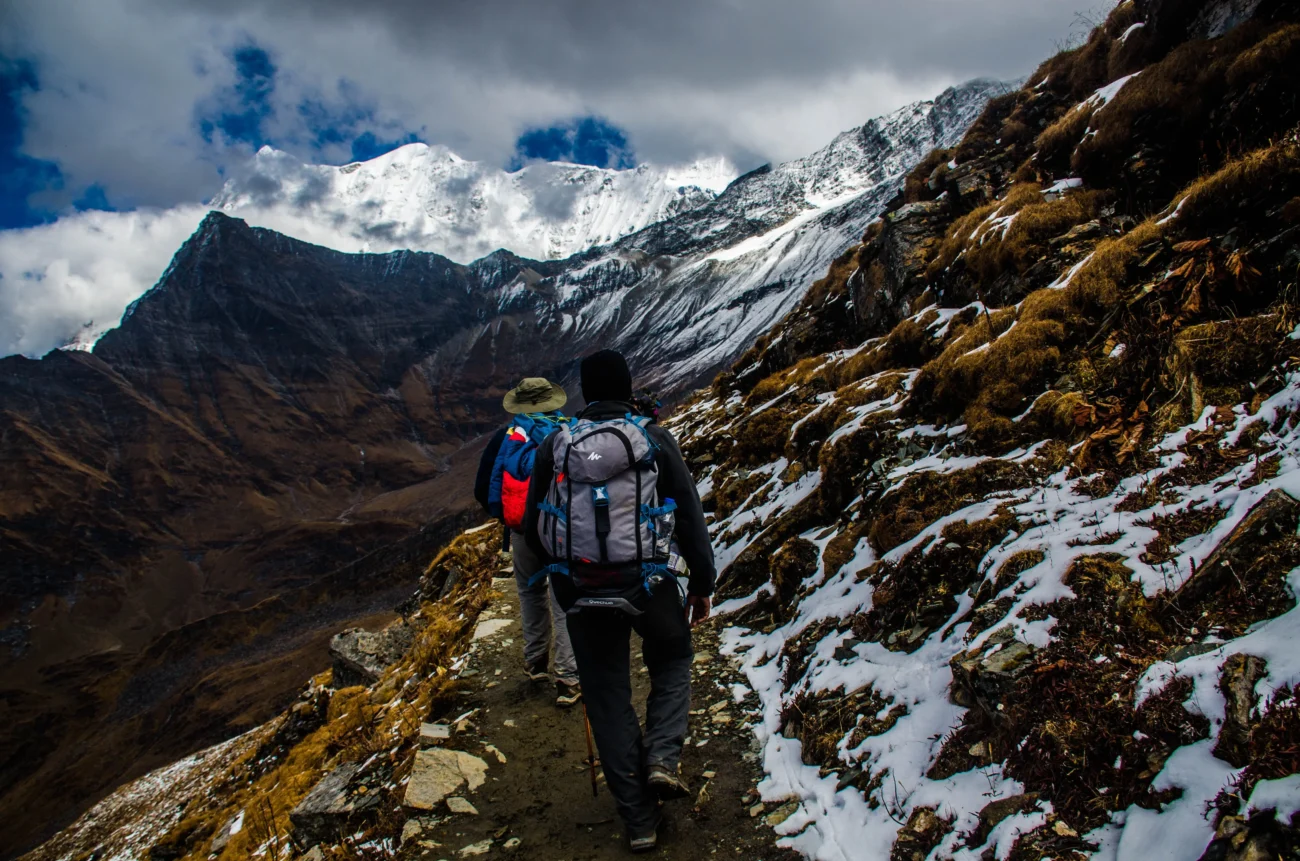
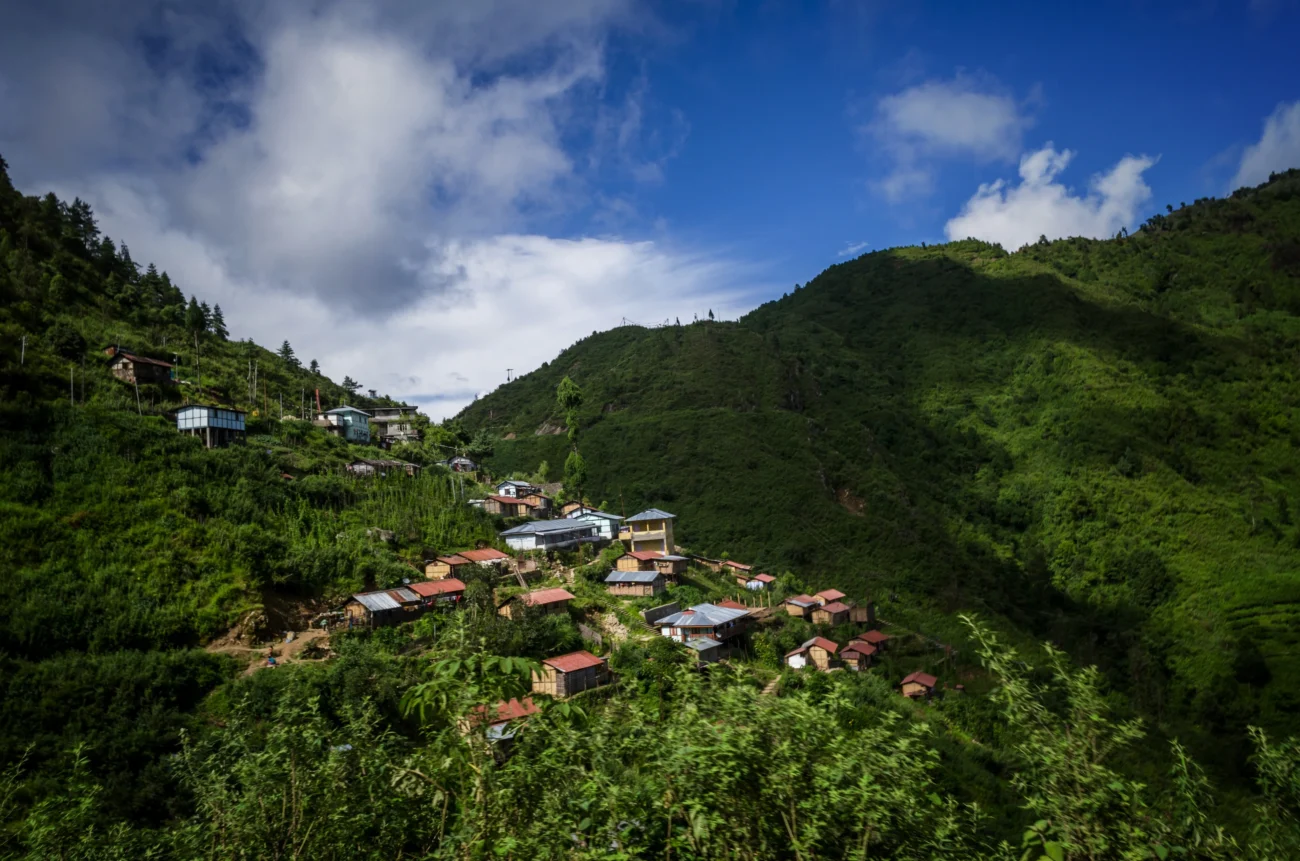
Trekking in North East India is one of the most exhilarating experiences for adventure seekers, nature enthusiasts, and cultural explorers alike. Nestled in the lap of the Eastern Himalayas, the North East region of India is blessed with diverse landscapes, ranging from dense tropical forests and misty valleys to snow-clad mountains and crystal-clear rivers. Unlike other parts of India where trekking trails are often crowded, the North East still offers raw, untouched, and pristine trails that provide a sense of wilderness, authenticity, and cultural immersion.
For those who wish to rediscover the hidden gems of India, trekking in Assam, Meghalaya, Arunachal Pradesh, Nagaland, Manipur, Mizoram, Tripura, and Sikkim offers something truly magical. Whether it’s the iconic Living Root Bridges of Meghalaya, the challenging Gorichen Peak trek in Arunachal Pradesh, or the enchanting Dzukou Valley trek on the border of Nagaland and Manipur, every trail tells a story and leaves trekkers with memories for a lifetime.
Why Choose North East India for Trekking?
North East India is often referred to as the “Last Frontier of Adventure Tourism” in the country. What makes trekking here unique is not just the natural beauty but also the vibrant tribal cultures, rare biodiversity, and the warmth of local people. Here are some reasons why trekking in North East India is unlike any other experience:
- Untouched Landscapes – The trails are raw, less commercialized, and offer an authentic sense of wilderness.
- Cultural Immersion – Each trek allows you to interact with indigenous tribes like the Nagas, Khasis, Garos, and Apatanis.
- Biodiversity Hotspot – The region is home to rare flora and fauna, including orchids, red pandas, hornbills, and medicinal plants.
- Diverse Terrain – From tropical rainforests in Mizoram to alpine meadows in Arunachal Pradesh, the trekking routes are as diverse as they are stunning.
- Adventure + Spirituality – Many treks pass through sacred groves, monasteries, and heritage villages, blending adventure with cultural experiences.
Famous Trekking Trails in North East India
1. Living Root Bridges Trek, Meghalaya
This trek takes you through the heart of Meghalaya’s rainforests to witness one of the most unique bio-engineering marvels of the world – the living root bridges. These bridges, formed by weaving the roots of rubber trees, are centuries old and still in use. The Double Decker Root Bridge trek in Nongriat village is a bucket-list adventure for every traveler.
- Best time: October to April
- Difficulty: Moderate
- Highlight: Trekking through waterfalls, caves, and natural pools.
2. Dzukou Valley Trek, Nagaland & Manipur
Known as the “Valley of Flowers of the East,” Dzukou Valley is a high-altitude valley carpeted with seasonal flowers, bamboo thickets, and rolling green hills. During summer, the valley blooms with a variety of wildflowers, making it a paradise for trekkers and photographers.
- Best time: June to September (flowering season) or November to March (clear skies)
- Difficulty: Moderate
- Highlight: Camping under starry skies and exploring the mystical valley.
3. Gorichen Base Camp Trek, Arunachal Pradesh
For serious trekkers, Arunachal Pradesh offers some of the most challenging and rewarding trails. The trek to Gorichen Peak, one of the highest peaks in the state, is a true test of endurance and skill. The base camp trek itself offers mesmerizing views of snow-capped mountains and the chance to witness traditional Monpa culture.
- Best time: April to June, September to October
- Difficulty: Difficult
- Highlight: Majestic Himalayan views and Monpa tribal villages.
4. David Scott Trail, Meghalaya
One of the most popular and historic treks in Meghalaya, the David Scott Trail is named after a British officer. The 16-km trail passes through rolling hills, tribal villages, forests, and streams, giving trekkers a taste of Meghalaya’s beauty in just one day.
- Best time: Anytime except peak monsoon (June–August)
- Difficulty: Easy to Moderate
- Highlight: Scenic landscapes and historical significance.
5. Sangti Valley & Dirang Trek, Arunachal Pradesh
Located near Tawang, the Sangti Valley trek is perfect for those who want a mix of cultural and natural exploration. The valley is dotted with monasteries, apple orchards, and yak pastures, making it an ideal trek for beginners and culture enthusiasts.
- Best time: March to May, September to November
- Difficulty: Easy
- Highlight: Buddhist monasteries and breathtaking valleys.
6. Blue Mountain (Phawngpui) Trek, Mizoram
Phawngpui, the highest peak in Mizoram, is surrounded by bamboo groves, orchids, and a mystical aura. The trek offers panoramic views of the surrounding hills and valleys, and it’s also considered sacred by the local Mizos.
- Best time: October to March
- Difficulty: Moderate
- Highlight: Rare birds, orchids, and sacred landscapes.
7. Japfu Peak Trek, Nagaland
This trek takes you to Japfu Peak, the second-highest peak in Nagaland, known for its panoramic views and the world’s tallest rhododendron tree. The trail passes through thick forests and grasslands, making it a rewarding journey.
- Best time: October to May
- Difficulty: Moderate
- Highlight: Stunning views of Kohima town and rhododendron forests.
Tips for Trekking in North East India
- Plan with Local Experts – Many trails are remote, so partnering with local guides or trusted travel companies like Rediscover De North East ensures safety and authenticity.
- Pack Smart – Carry trekking shoes, rain gear, warm clothes, and first-aid essentials. Weather in the North East can change quickly.
- Respect Culture – Always respect local customs, traditions, and sacred sites.
- Stay Eco-Friendly – Do not litter, avoid plastics, and practice responsible trekking.
- Prepare Physically – Some treks involve steep climbs and long walks; basic fitness is necessary.
The Cultural Edge of Trekking
What truly sets trekking in North East India apart is the cultural experience. Along the trails, trekkers often stay in homestays run by tribal families, enjoy traditional cuisines like smoked pork, rice beer, and bamboo shoot curries, and learn about indigenous farming, music, and folklore. Trekking here is not just about reaching a destination; it’s about immersing in a way of life that has remained deeply connected with nature for centuries.
Best Time for Trekking in North East India
While the region is accessible year-round, the best time for trekking is usually between October to April, when the skies are clear, temperatures are moderate, and the landscapes are lush. Summer months are perfect for exploring valleys like Dzukou, while winters are ideal for snow treks in Arunachal Pradesh.
Conclusion
Trekking in North East India is more than an adventure; it’s a journey into untouched wilderness, vibrant cultures, and timeless traditions. Whether you are a beginner looking for short hikes or an experienced trekker seeking challenging expeditions, the trails of Assam, Meghalaya, Arunachal Pradesh, Nagaland, Manipur, and Mizoram will captivate your heart. With Rediscover De North East as your travel partner, you can explore these raw and unspoiled trails safely and authentically, ensuring that every step is a step closer to discovering the true essence of India’s hidden paradise.
Leave a comment